
The four-pillar framework
Better nonalcoholic drinks aren't luck. They're method.
Every satisfying drink — with or without alcohol — quietly depends on four things. The Mocktail Method is the cookbook that names them.
Bite · Bitterness · Body · Aroma
First recipes, kitchen-test dispatches, and book news. One or two emails a month.
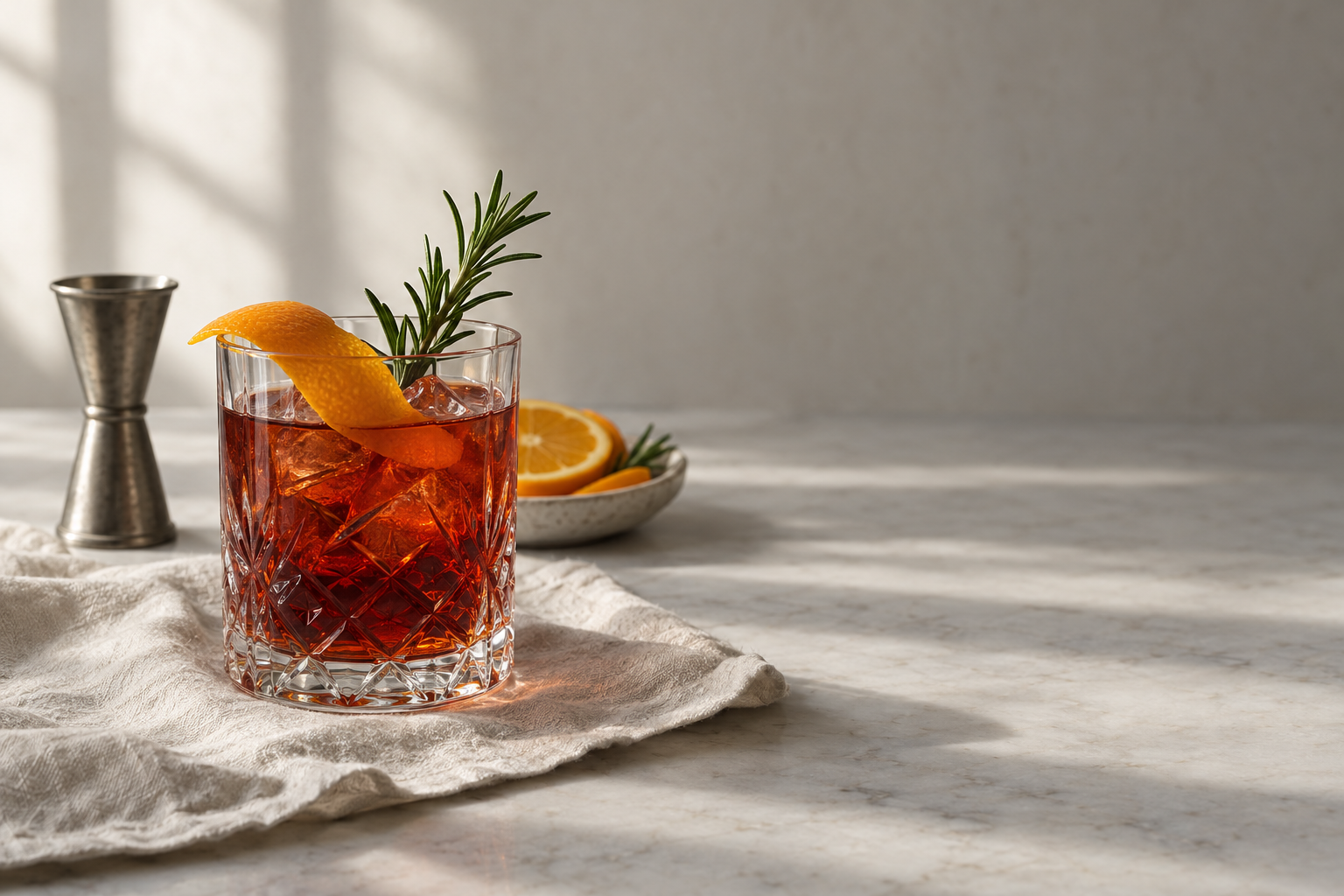
The four pillars
Miss one and the drink falls flat, no matter how good the ingredients are.
Bite
Liveliness — acid, carbonation, a whisper of heat. The thing that makes you sit up and pay attention.
Bitterness
The counterweight — tea, tonic, charred citrus. What separates an adult drink from dessert.
Body
Texture and weight — fruit, dairy, foam. The difference between a drink and flavored water.
Aroma
The first impression — herbs, citrus oils, spice. What you taste before you ever sip.
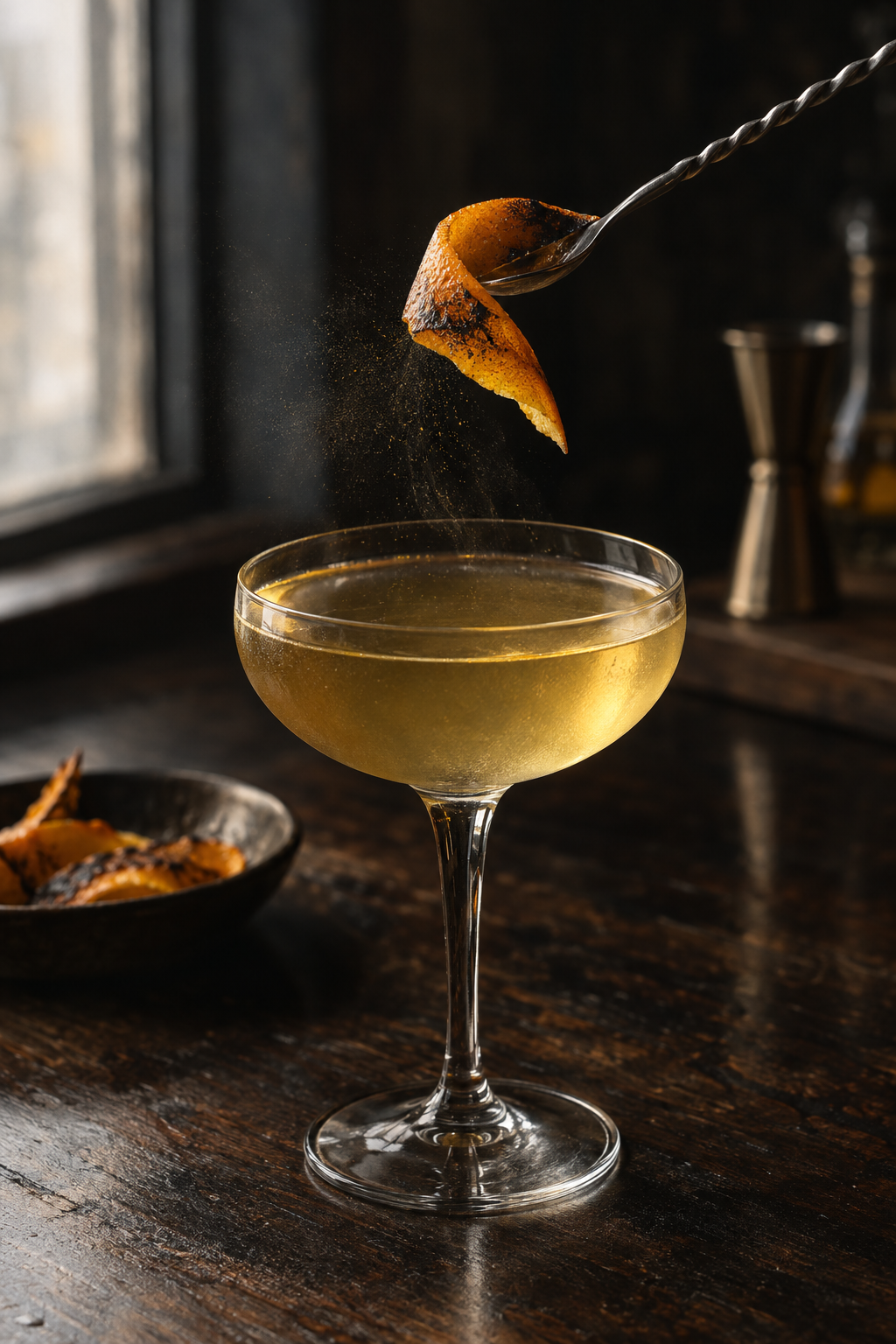
Why most mocktails fail
Take the alcohol out of a cocktail and you remove three things at once: bite, bitterness, and body. Most recipes replace them with sugar — which is why so many nonalcoholic drinks taste like juice pretending to be a cocktail.
The Mocktail Method rebuilds each pillar on purpose, so a drink without alcohol can stand on its own.
The book is in progress: eighty-six recipes across ten collections, from a scratch-made shrub pantry to a chapter of holidays around the world. Every recipe is tested in a real kitchen before it earns a page — some fail, and those never make it in.
Follow the method as it's built
Get the method notes: first recipes, dispatches from the test kitchen, and news about the book.